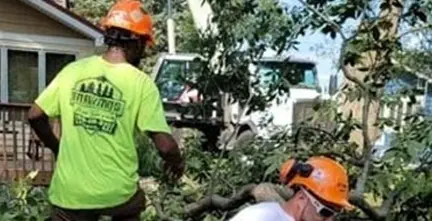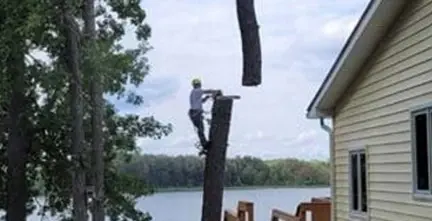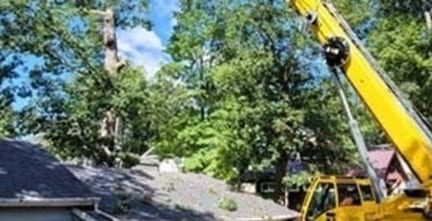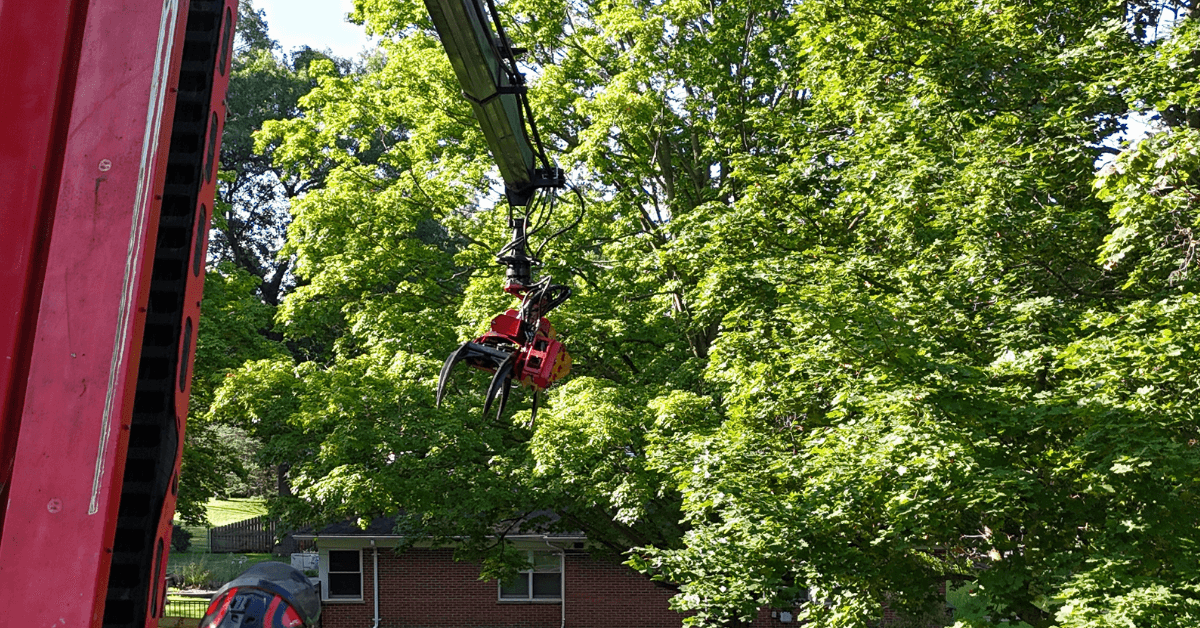
Trees are one of the most valuable assets of any property in Southwest Michigan. In Kalamazoo and Battle Creek, homeowners benefit from the shade, beauty, and property value that mature trees bring. But as much as trees enrich the landscape, they require regular care to remain safe and healthy. Overgrown branches can damage roofs, diseased limbs can pose hazards, and storm damage can turn a beautiful oak or maple into a liability. That’s when homeowners begin asking the critical question: How much will professional tree trimming cost me?
The answer is not as straightforward as a flat rate. Tree trimming quotes vary widely because every tree, property, and job is different. A proper quote accounts for tree size, health, location, and many other factors. In this guide, we’ll break down what goes into a tree trimming quote in Kalamazoo and Battle Creek, explain the key cost factors, and show why working with a professional, insured tree service is the smartest choice.
Why Regular Tree Trimming is Essential for Michigan Homeowners
Before diving into details, it’s important to understand why trimming isn’t just cosmetic. Tree trimming directly impacts:
- Safety: Removing weak, dead, or overhanging branches prevents property damage and personal injury.
- Tree Health: Proper pruning encourages strong structure, prevents disease spread, and promotes long-term growth.
- Aesthetics: Balanced, well-pruned trees enhance curb appeal and property value.
- Compliance: Trimming may be necessary for clearance from power lines, sidewalks, and streets.
Neglecting trimming can lead to costly problems later. Proactive care is always more effective than dealing with tree failures after they happen.
Tree Size Matters: Small, Medium, and Large Trimming Projects
The first factor that influences a quote is the size of the tree. Arborists typically classify projects into three categories:
Small Tree Projects (Under 30 feet)
- Examples: Dogwoods, Japanese Maples, ornamental trees.
- Focus: Shaping, structural pruning, removing small limbs.
- Complexity: Low. Work can often be done from the ground or a short ladder.
Medium Tree Projects (30 to 60 feet)
- Examples: Mature Maples, Lindens, Ash trees.
- Focus: Crown thinning, deadwood removal, improving airflow and light penetration.
- Complexity: Moderate. Requires climbing gear or aerial lifts.
Large Tree Projects (Over 60 feet)
- Examples: Oaks, Sycamores, Pines.
- Focus: High-risk pruning, structural maintenance, removal of hazardous branches.
- Complexity: High. Requires rigging, advanced safety measures, and a full crew.
Emergency Trimming and Hazardous Trees
Storm-damaged or decayed trees increase complexity because they require more planning and safety precautions.
6 Major Factors That Affect Tree Trimming Prices in Michigan
When a professional arborist evaluates your property, they look beyond size. Here are the six major cost drivers:
Tree Size and Height
The taller and wider the tree, the more time, labor, and equipment are required. Trimming a crabapple is straightforward, while a towering oak may need specialized lifts, ropes, and additional crew support.
Accessibility and Location
The placement of the tree matters. Challenges arise if the tree is:
- Near power lines
- Hanging over a roof, garage, or deck
- In a backyard with limited access
- Surrounded by delicate landscaping or fences
Each obstacle requires careful rigging and lowering of branches, which increases the work involved.
Health and Condition
Healthy trees are more predictable to trim. Diseased or decaying wood is brittle and dangerous. Dead branches may snap unexpectedly, forcing arborists to move more cautiously.
Type and Species
Some species are harder to work with. For example:
- Dense evergreens like Spruce or Pine take longer to thin.
- Multi-stemmed species like River Birch require more strategic pruning.
- Fruit trees need careful cuts to promote productivity.
Scope of Work and Cleanup
“Trimming” can mean different things:
- Fine pruning: Removing small branches for aesthetics.
- Crown thinning: Improving airflow and light penetration.
- Crown reduction: Lowering height or spread for clearance.
- Hazardous limb removal: Targeting dangerous branches only.
Cleanup also matters. Professional quotes often include brush chipping and debris removal. Some budget services leave piles of wood behind, which shifts the burden back to the homeowner.
How Much Does Tree Trimming Usually Cost?
In Kalamazoo and Battle Creek, most homeowners spend between $150 and $1,500 for tree trimming, depending on the size and complexity of the job. Small ornamental trees often fall on the lower end, while large oaks or pines that require climbing, rigging, or heavy equipment land at the higher end. Emergency trimming after storms can run $500 to $2,000, reflecting the added risk and urgency.
Key Factors That Shape Your Trimming Quote
| Factor | How It Affects Your Quote | Example |
|---|---|---|
| Tree Size | Larger trees require more time, labor, and equipment | Oak vs. crabapple |
| Accessibility | Obstacles increase complexity | Tight backyard vs. open lawn |
| Tree Health | Diseased or decayed trees require caution | Healthy maple vs. tree with deadwood |
| Species | Dense or delicate species take longer | Pine vs. Locust |
| Scope of Work | Fine pruning vs. crown reduction | Shaping vs. hazard limb removal |
| Credentials | Insurance and expertise add protection | Professional vs. uninsured worker |
Best Time of Year to Trim Trees in Kalamazoo and Battle Creek
The timing for trimming can impact both tree health and service demand:
- Dormant Season (Late Fall to Early Spring): Best time for structural pruning. Trees are leafless, making it easier to see issues. Trees also recover faster in dormancy.
- Growing Season (Spring to Summer): Focus on removing dead, diseased, or clearance-related branches.
- After Storms: Emergency trimming is often necessary to remove broken or hanging limbs.
In Michigan, late winter and early spring are the most common periods for preventative trimming, while late summer often sees spikes in storm-related work.
Pruning vs. Trimming vs. Topping
Homeowners often use these terms interchangeably, but they mean different things:
- Pruning: Health-focused removal of dead, diseased, or crossing branches to improve structure.
- Trimming: More aesthetic, often used for clearance near structures.
- Topping: An outdated, harmful practice that leaves stubs and large wounds. It weakens trees and invites decay. Professionals never recommend topping.
Why the Cheapest Quote Isn’t Always Best
Lowball quotes from uninsured or inexperienced workers can backfire. Risks include:
- Property Damage: An uninsured worker dropping a limb on your roof leaves you covering repairs.
- Injury Liability: If they’re hurt, you may be responsible for medical bills.
- Tree Damage: Poor techniques like topping shorten a tree’s life and create hazards.
Professional companies build insurance, training, and safety standards into their pricing, protecting you and your property.
Environmental Benefits of Tree Trimming
Professional trimming doesn’t just keep trees safe and attractive. It also contributes to the larger environment:
- Air Quality: Healthy trees filter pollutants more effectively.
- Stormwater Management: Well-maintained trees absorb more water, reducing runoff.
- Urban Canopy Health: Proper pruning extends the lifespan of trees, strengthening the regional tree canopy that benefits everyone.
By investing in regular maintenance, homeowners play a role in sustaining the environmental health of Southwest Michigan.
Frequently Asked Questions
How often should I trim my trees in Michigan?
Mature trees benefit from trimming every 3 to 5 years. Ornamental or younger trees may need shaping every 1 to 2 years.
Is trimming cheaper than removal?
Yes. Regular trimming prevents structural issues that could lead to full removal, which is far more costly.
Do I need a permit for trimming in Battle Creek or Kalamazoo?
Usually no for trees on private property. Permits may apply for street trees or historic districts. A professional company will advise you.
What safety measures do professional crews follow?
Qualified crews use protective equipment, ropes, harnesses, and strict jobsite protocols to keep your property and workers safe.
Can tree trimming help prevent storm damage?
Yes. Regular pruning removes weak or overextended branches that are most likely to break during high winds or heavy snow, reducing the risk of property damage.
Your Local Tree Care Experts in Kalamazoo & Battle Creek
At Brawner’s Tree Service, we’ve built a reputation for safe, reliable tree care across Kalamazoo, Battle Creek, and Southwest Michigan. Our fully insured crews bring the right mix of training, equipment, and experience to every project, from routine pruning to complex hazard removals.
Getting started is easy. Schedule a free, no-obligation estimate, and one of our arborists will walk your property, answer your questions, and provide a clear, written quote.