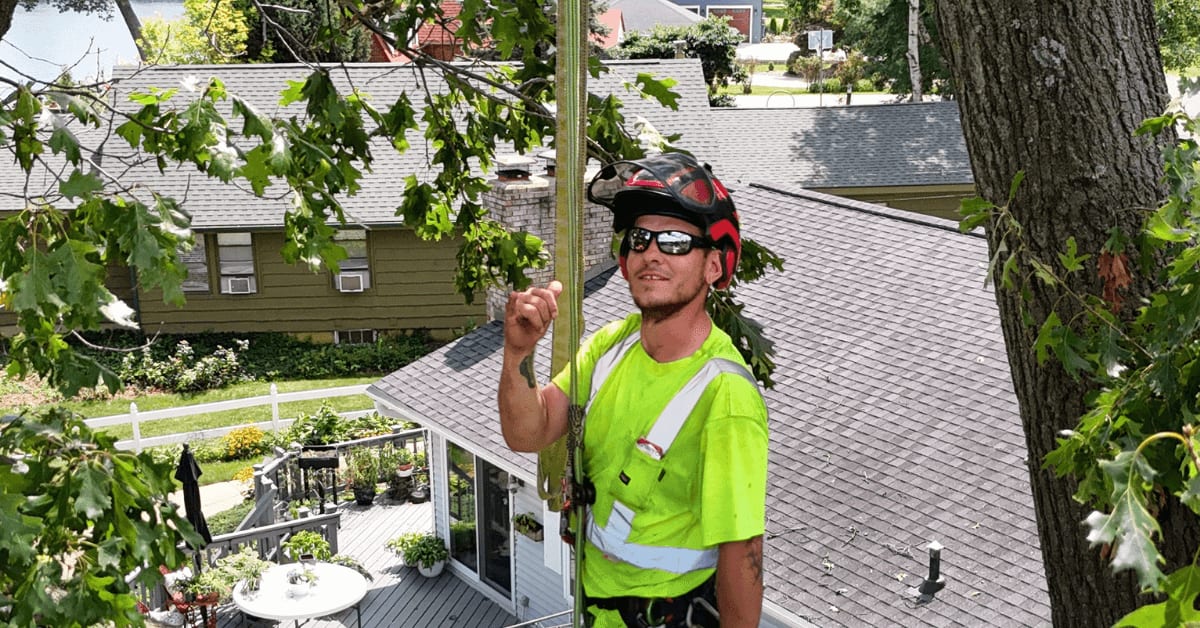
As temperatures drop and snow begins to fall in Battle Creek, Michigan, your trees face new seasonal challenges. Heavy snow, freezing rain, and fluctuating temperatures can all take a toll on their health. Preparing trees properly before and during winter protects them from damage and ensures they thrive once spring returns.
This complete guide explains how to care for your trees through Battle Creek’s coldest months. You will learn how to inspect for weak spots, prune safely, protect roots, manage snow and salt, and strengthen your trees for long-term resilience.
How to Protect Your Trees from Harsh Michigan Winters
Battle Creek winters can be unpredictable, with temperatures often swinging from mild to below freezing. This puts both young and mature trees under pressure. Common winter problems include:
- Branch breakage from snow and ice buildup
- Root damage due to soil compaction and freezing
- Bark splitting caused by temperature fluctuations
- Salt injury from nearby roads and sidewalks
- Drought stress from frozen ground and dry air
Local tree species such as oak, maple, ash, pine, and spruce can all suffer if not maintained properly. Proactive care reduces risk and keeps your landscape safe, strong, and attractive year-round.
Step 1: Inspect Trees Before the First Freeze
A late fall inspection helps identify structural weaknesses before snow or ice causes serious damage.
What to Look For
- Dead or hanging branches
- Cracks along the trunk or main limbs
- Fungal growth, soft bark, or visible decay
- Branches crossing or rubbing together
- Trees leaning toward structures or driveways
If you notice any of these signs, schedule a professional evaluation. Certified arborists can detect hidden weaknesses that homeowners often miss.
When to Inspect Trees Before Winter
Inspection is most effective in late October or November, before deep freezes set in. Early intervention allows time for pruning and repairs before the tree enters dormancy.
Step 2: Prune for Strength and Structure
Winter storms put strain on weak or overcrowded branches. Pruning before the first snowfall helps trees shed weight evenly and prevents breakage.
Key Pruning Tips
- Remove dead, broken, or diseased branches
- Cut back limbs growing too close to roofs or power lines
- Avoid over-pruning, which can weaken the tree
- Use clean, sharp tools to make precise cuts
- Never leave large stubs that can invite pests or rot
The Right Time to Prune
The best time to prune in Battle Creek is late fall to early winter. The U.S. Forest Service notes that dormant pruning is the most effective way to manage tree structure because the absence of leaves allows for a clear view of the branch architecture and reduces the risk of spreading summer-active diseases.
Professional Help
For large trees, always hire a certified arborist. Professionals follow ANSI pruning standards and ensure proper limb removal without harming the trunk or canopy structure.
Step 3: Protect Roots with Mulch and Moisture
Roots are the lifeline of every tree, and they need insulation to survive winter conditions.
How to Mulch Correctly
- Apply a 2- to 4-inch layer of organic mulch around the base
- Extend the mulch to the tree’s dripline if possible
- Keep mulch 2 to 3 inches away from the trunk to prevent rot
- Replenish mulch each fall before the first frost
Mulch locks in soil moisture, regulates temperature, and reduces freeze-thaw stress.
Late Fall Watering
Battle Creek winters can be dry, especially before snow cover forms. Water trees deeply in late fall while the ground is still soft. Moist soil holds warmth better and prevents root dehydration.
Avoid watering once the ground freezes, as the water will not penetrate deeply enough to reach roots.
Step 4: Shield Trunks and Bark from Damage
Fluctuating winter sunlight can cause frost cracks or sunscald on thin-barked trees like maple or birch.
Tree Wrap Protection
Use commercial tree wrap or white trunk guards. As explained by the University of Minnesota Extension, these wraps reflect the winter sun, preventing the ‘freeze-thaw’ cycle that causes bark to rupture, a condition known as sunscald, on thin-barked species like Maples, and deterring rodents from gnawing on the trunk.
Guard Against Equipment Damage
Snowblowers and plows can easily injure bark or roots. Use visible markers or small barriers around young trees to prevent accidental impact when clearing snow.
Step 5: Manage Snow, Ice, and Salt Exposure
Snow and Ice Removal
When snow piles up on branches, gently brush it off using an upward motion with a broom. Never strike branches or attempt to knock off ice. Ice should be left to melt naturally, as forceful removal can cause splitting.
Avoid Salt Damage
Deicing salt is a common cause of winter tree injury in Battle Creek. Salt runoff seeps into soil, damaging roots and altering pH. Michigan State University Extension recommends using acetate-based deicers or simple sand as safer alternatives to traditional rock salt to prevent root desiccation.
To minimize damage:
- Use sand or eco-friendly deicers instead of rock salt
- Avoid piling salty snow near tree bases
- Flush soil with fresh water in early spring to wash away salt residues
If trees near roads show yellowing needles or browning leaves in spring, salt exposure is likely the cause.
Step 6: Support Tree Stability in High Winds
Winter storms often bring strong winds that stress large branches and shallow-rooted trees.
Cabling and Bracing
Installing steel cables or threaded rods can help support heavy limbs or multi-trunk trees. These reinforcements prevent breakage under snow or wind pressure.
Only certified arborists should perform this work to ensure correct placement and tension.
Staking Young Trees
Newly planted trees may need temporary staking during their first few winters. Use flexible ties that allow some movement while keeping roots anchored.
Remove stakes in spring to prevent girdling and allow natural trunk strengthening.
Step 7: Monitor Trees Throughout Winter
Regular observation helps catch problems early. After every major snow or ice event:
- Check for new cracks or leaning
- Inspect for hanging branches
- Note soil heaving or exposed roots
- Observe evergreen color changes (yellowing or browning may signal stress)
Taking photos helps track small changes over the season and provides helpful reference material for your arborist.
Step 8: Prepare for Spring Recovery
Healthy winter preparation pays off once temperatures rise. In early spring:
- Remove tree wraps and inspect bark
- Rake away old mulch and reapply a thin layer
- Check for salt damage or pest activity
- Prune any winter-damaged branches
This ensures trees rebound quickly and begin the growing season strong.
Local Tree Species That Need Extra Care
Some trees in Battle Creek require additional winter attention due to bark sensitivity or shallow roots.
- Maple: Prone to frost cracking and sunscald. Protect trunks with wraps.
- Birch: Thin bark susceptible to freeze damage. Mulch and water before freeze.
- Spruce and Pine: Vulnerable to windburn and needle desiccation. Water well in the fall.
- Oak: Heavy branches may split under ice. Prune and inspect before winter.
- Young ornamentals: Require trunk wraps and soil insulation.
Understanding species needs ensures targeted care and better long-term outcomes.
Step 9: Prevent Wildlife and Pest Damage
Mice, rabbits, and deer often feed on bark or twigs during winter when food is scarce. Protect trees with:
- Plastic or wire mesh guards around trunks
- Repellents approved for residential landscapes
- Clearing tall grass and mulch near bases to remove hiding spots
This simple step prevents girdling, which can kill young trees over time.
Step 10: Plan Professional Maintenance
For large properties or older trees, professional winter tree care adds safety and precision. Certified arborists in Battle Creek offer:
- Structural pruning
- Tree health assessments
- Cabling and bracing
- Emergency storm response
- Root and soil aeration
Hiring professionals ensures that complex tasks are performed safely, according to ISA standards.
Winter Tree Care Checklist for Battle Creek Homeowners
| Task | Best Timing | Purpose |
|---|---|---|
| Tree Inspection | Late fall | Identify weak limbs and safety risks |
| Pruning | Late fall to early winter | Remove dead or hazardous branches |
| Mulching | Before first frost | Retain moisture and protect roots |
| Watering | Mid to late fall | Hydrate trees before freezing conditions |
| Trunk Wrapping | Late fall | Prevent sunscald and bark damage |
| Snow and Ice Monitoring | Throughout winter | Prevent branch breakage from heavy loads |
| Salt Management | All winter | Reduce soil damage from de-icing salts |
| Spring Cleanup | March to April | Prepare trees for healthy new growth |
FAQs
How often should I water trees before winter?
Water deeply once a week in the fall until the ground freezes. Focus on younger trees or those recently transplanted, as they are most vulnerable to winter drought.
Can I prune trees during winter in Battle Creek?
Yes. Pruning during dormancy (late fall or winter) is ideal for most species. It allows arborists to see the tree’s structure clearly and prevents disease spread.
Should I wrap all my trees for winter?
No, only young or thin-barked trees need wrapping. Mature, thick-barked trees like oak or hickory usually withstand winter without wraps.
What type of mulch works best for winter protection?
Use organic mulch such as shredded bark, compost, or wood chips. Avoid stones or rubber mulch, as they do not insulate roots effectively.
How can I tell if winter salt has harmed my trees?
In spring, look for browning leaves, stunted new growth, or white crusty residue in the soil near the base. Flush soil with water to dilute salt levels.
What if snow bends my tree branches?
Gently brush snow away without shaking or hitting the branches. If limbs are cracked or split, call a professional for safe removal.
Do evergreens need special care in winter?
Yes. Water them well before the ground freezes, and apply anti-desiccant spray if conditions are dry and windy. This reduces needle browning and dehydration.
When should I call an arborist for winter tree care?
Call a professional if trees lean, show cracks, or have broken limbs near structures. Arborists can handle large pruning, bracing, and storm-damaged removals safely.
Final Thoughts: Keep Your Trees Winter-Ready
Caring for trees in Battle Creek through winter is not just about survival; it’s about setting them up for long-term health. By inspecting early, pruning smartly, protecting roots, and managing snow and salt correctly, you preserve both the beauty and safety of your landscape.
Healthy trees enhance property value, provide shade in summer, and stand strong during Michigan’s unpredictable weather. With consistent care and professional guidance when needed, your trees can thrive through every season.
Ready to prepare your trees for Michigan’s winter?
Contact Brawner’s Tree Service today to schedule a professional inspection and custom winter care plan for your property in Calhoun County.