Key Takeaways
- Battle Creek offers a blend of small-city affordability with access to parks, trails, and a walkable downtown.
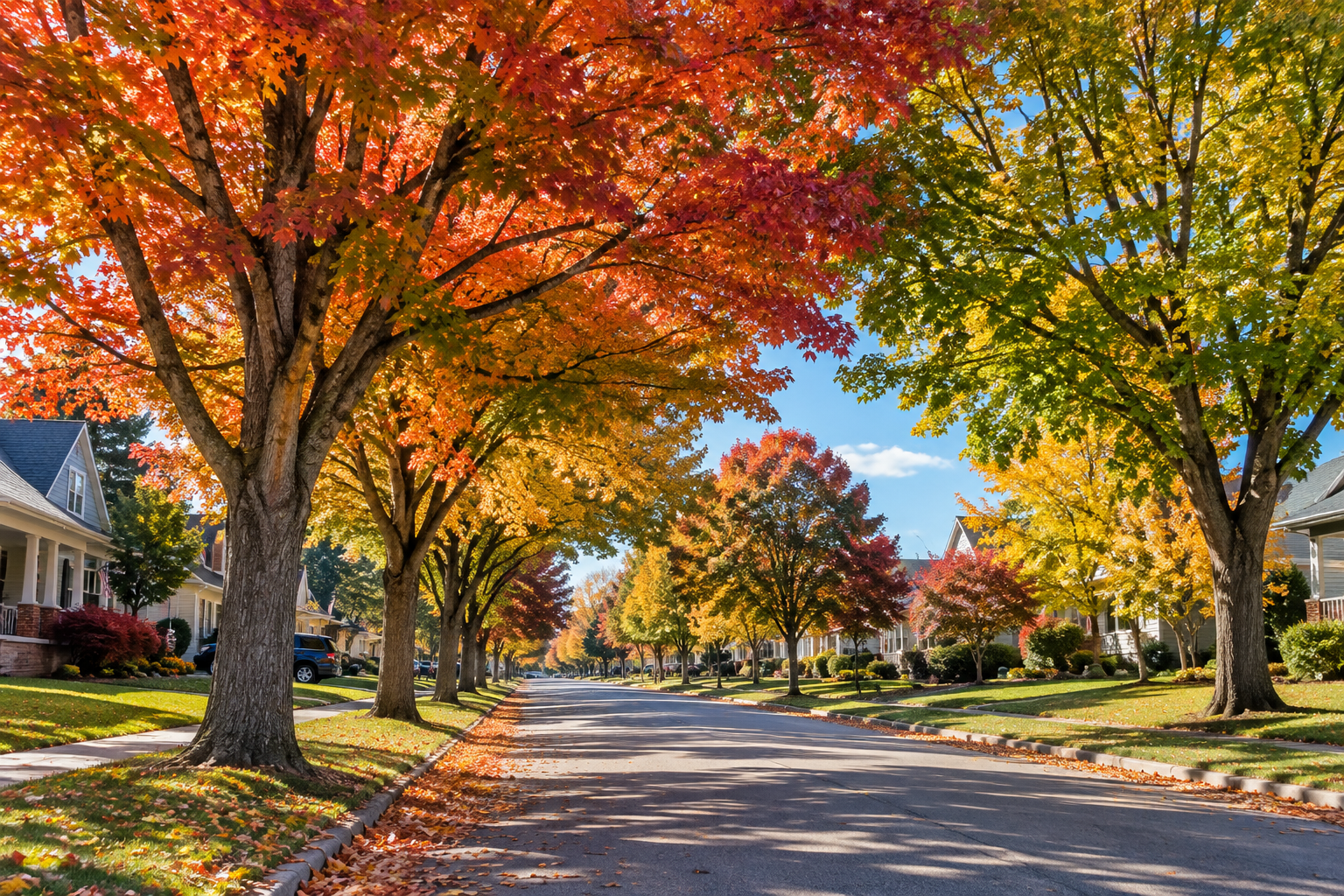
- Mature tree canopy throughout the city’s neighborhoods contributes significantly to its character and livability.
- The city’s location along the Kalamazoo River provides recreational opportunities not found in every Michigan community.
- Battle Creek’s community events and historic character give it a distinct identity beyond its well-known cereal industry roots.
- Maintaining the trees and green spaces that define Battle Creek’s neighborhoods takes ongoing care from residents and the city alike.
Battle Creek, Michigan is often known nationally for its connection to the breakfast cereal industry, but residents know the city for much more than that. Nestled in south-central Michigan along the Kalamazoo River, Battle Creek offers a combination of affordability, natural beauty, and community character that makes it an appealing place to put down roots. From its tree-lined residential streets to its extensive park system, the city’s livability is shaped by both its people and its landscape.
A City Shaped by Its Rivers and Green Spaces
Battle Creek sits at the confluence of the Kalamazoo and Battle Creek rivers, giving the city a natural landscape that shapes much of its recreational identity. The Linear Park trail system follows the riverways through the city, connecting neighborhoods, downtown, and green spaces in a way that makes outdoor recreation accessible without requiring a car trip out of town. Residents use these trails for walking, running, and biking throughout the warmer months, and the shaded, tree-lined sections of the path are consistently among the most popular.
Beyond the river trails, Battle Creek maintains a network of parks that range from large recreational spaces with sports fields and playgrounds to smaller neighborhood pocket parks. This distributed park system means most residents have some form of green space within a short distance of home, which is a meaningful contributor to quality of life, particularly for families with young children or residents who prioritize an active, outdoor lifestyle.

Mature Neighborhoods with Established Tree Canopy
One of the more understated qualities that makes Battle Creek appealing is the maturity of its residential tree canopy. Many of the city’s older neighborhoods were developed decades ago, and the street trees planted during that period have had time to grow into the substantial shade canopy that now defines these areas. Walking or driving through neighborhoods like those near Irving Park or the historic districts near downtown, it is common to see large, mature trees arching over the street, creating a sense of established character that newer developments typically lack.
This mature canopy does more than look attractive. It provides meaningful shade during Michigan’s warm summer months, helps moderate stormwater runoff during heavy rain, and contributes to the overall sense that these neighborhoods have been cared for over a long period of time. Homebuyers often cite tree-lined streets as a factor in their preference for older, established neighborhoods over newer subdivisions, and Battle Creek has no shortage of these mature, shaded streets.
Affordability Relative to Other Michigan Cities
Compared to many other Michigan communities, particularly those closer to the Grand Rapids or Ann Arbor metro areas, Battle Creek offers a relatively affordable cost of living, including housing prices that remain accessible for first-time buyers and growing families. This affordability, combined with the city’s amenities, allows residents to access a quality of life, including larger yards, mature landscaping, and proximity to parks and trails, that might be considerably more expensive in other parts of the state.
For many residents, this combination of affordability and access to green space is a significant part of why they choose to stay in or move to Battle Creek rather than relocating to a larger, more expensive metro area.
A Distinct Community Identity
While Battle Creek’s connection to the cereal industry remains part of its identity, the city has developed a broader community character over the years. The Historic Bridge Park, downtown revitalization efforts, and a calendar of community events throughout the year give residents regular opportunities to engage with their neighbors and their city. The Battle Creek Cereal Festival, while a nod to the city’s industrial history, has become a broader community celebration that draws residents together each year.
This sense of community identity extends into the neighborhoods themselves, where long-standing residents and newer families alike often speak to a feeling of connectedness that can be harder to find in larger, more anonymous cities.
Access to Outdoor Recreation Beyond the City
Battle Creek’s location in south-central Michigan places it within reasonable driving distance of several larger natural areas, including the Fort Custer Recreation Area, which offers hiking, mountain biking, camping, and lake access just outside the city. This proximity means residents don’t have to choose between a small-city lifestyle and access to substantial outdoor recreation; both are available within a short drive.
The Kalamazoo River corridor running through the city also supports fishing and paddling opportunities for residents who want to spend time on the water without leaving town, adding another layer to the city’s outdoor lifestyle appeal.
Schools and Family Life
For families considering a move, Battle Creek offers a range of educational options, including the Battle Creek Public Schools district along with several private and charter school options in the surrounding area. Combined with the city’s parks, trails, and family-oriented community events, Battle Creek presents itself as a place where families can access a full range of amenities without the higher cost of living often associated with larger metro areas.
The Role of Trees in Battle Creek’s Livability
It’s worth returning to the theme of tree canopy, since it plays a role that is easy to overlook but genuinely shapes how a city feels to live in. Established trees along residential streets and throughout the park system provide shade that makes outdoor activity more comfortable in the summer, contribute to lower home cooling costs, and support local wildlife, including the songbirds commonly seen and heard throughout Battle Creek’s neighborhoods in spring and summer.
Maintaining this canopy requires ongoing effort, both from the city’s own forestry programs and from individual homeowners who care for the trees on their own property. Storm damage, seasonal freeze-thaw cycles, and the natural aging process of large trees all mean that the mature canopy residents enjoy today depends on consistent maintenance to remain healthy and safe for years to come.
A City Worth Considering
Battle Creek may not always top the list of Michigan’s most talked-about cities, but for residents who value a combination of affordability, natural beauty, community connection, and access to outdoor recreation, it offers a compelling case. The city’s tree-lined neighborhoods, extensive park system, and river access give it a livability that stands up well against larger, more expensive alternatives in the state.
How Brawner’s Tree Service Keeps Battle Creek’s Canopy Thriving
Brawner’s Tree Service helps keep Battle Creek, MI’s mature tree canopy healthy, safe, and thriving through comprehensive professional tree care. With 45 years of combined experience, we provide expert services for residential, commercial, and municipal properties throughout Battle Creek and Calhoun County. Our tree trimming services promote healthy growth, improve tree structure, and reduce the risk of falling branches, while our tree health care focuses on diagnosing and treating pests and diseases, improving soil conditions, and providing fertilization when needed. When trees become hazardous, dead, or severely damaged, we provide professional tree removal services to protect people and property while preserving the health of surrounding landscapes.
Frequently Asked Questions About Living in Battle Creek, MI
What is Battle Creek, MI known for?
Battle Creek is historically known as the home of the American breakfast cereal industry, but it has developed a broader identity around its parks, river trails, and community events.
Is Battle Creek an affordable place to live?
Yes, Battle Creek generally offers a lower cost of living compared to larger Michigan metro areas, including more accessible housing prices.
What outdoor recreation is available in and around Battle Creek?
Residents have access to the Linear Park trail system, Kalamazoo River paddling and fishing, and nearby Fort Custer Recreation Area for hiking, biking, and camping.
Are there good school options in Battle Creek?
Battle Creek Public Schools serves the area, along with several private and charter school options for families to consider.
Why do Battle Creek’s older neighborhoods have so many mature trees?
Many neighborhoods were developed decades ago, giving street trees planted during that period time to grow into the substantial canopy seen today.
What community events happen in Battle Creek throughout the year?
The city hosts events including the Battle Creek Cereal Festival and various downtown and park-based community gatherings throughout the year.
How far is Battle Creek from other major Michigan cities?
Battle Creek is roughly equidistant between Grand Rapids and Kalamazoo, making it accessible to larger metro amenities while maintaining its own smaller-city character.
How does tree canopy affect quality of life in a city like Battle Creek?
Mature trees provide shade, reduce home energy costs, support local wildlife, and contribute to the overall visual character that residents associate with established, well-cared-for neighborhoods.
Summary Checklist: Evaluating Battle Creek as a Place to Live
| Consideration | What to Know |
| Cost of living | Generally more affordable than larger Michigan metro areas |
| Outdoor recreation | Linear Park trails, river access, and nearby Fort Custer |
| Neighborhood character | Mature tree canopy in many established residential areas |
| Community identity | Historic downtown, festivals, and local events |
| Schools | Public, private, and charter options available |
| Proximity to other cities | Located between Grand Rapids and Kalamazoo |
| Tree maintenance | Ongoing care needed to preserve neighborhood canopy |