Key Takeaways
- Battle Creek trees often show warning signs before a branch breaks or falls.
- Overhanging branches, deadwood, heavy canopies, rubbing limbs, dense foliage, and clearance issues are common signs that a tree needs trimming.
- Regular pruning helps improve tree structure, reduce storm risks, and protect homes from preventable damage.
- Michigan’s snow, ice, wind, and seasonal changes make routine tree care especially important.
- Professional tree trimming is safer and more effective than attempting large pruning projects without the right equipment or experience.
- Working with a local tree care company like Brawner’s Tree Service helps ensure trees are evaluated and maintained properly.
Most Battle Creek, Michigan, homeowners don’t think about tree trimming until something goes wrong. A storm sends a branch falling across the roof, a heavy limb falls into the driveway, or low branches make it harder to see when backing out of the garage. By that point, you’re dealing with a problem that could have been prevented.
Trees add shade, privacy, and beauty to homes throughout Battle Creek and Calhoun County, Michigan but they also need regular care. As trees grow, branches can become too close to roofs, vehicles, sidewalks, and utility lines. Without proper pruning, weak or damaged limbs can create safety risks and leave your property more vulnerable during Michigan storms. Tree trimming is not just about improving curb appeal. It is about protecting your home, improving tree structure, and helping your landscape stay healthy through every season.
Tree Trimming: What It Is and 6 Signs Your Tree Needs It
Professional tree trimming starts with an evaluation, not just cutting branches that look overgrown. A trained tree care specialist looks at the tree’s overall health, branch structure, growth patterns, and surrounding risks. During an inspection, arborists consider:
- Tree species and natural growth habits
- Signs of disease, decay, or damage
- Branch weight distribution
- Proximity to homes, garages, vehicles, sidewalks, and power lines
- Areas where pruning can improve safety and long-term growth.
The goal is not to remove as much as possible. Proper trimming focuses on removing problem branches while maintaining the tree’s natural shape and strength.
Branches Are Growing Near Your Roof or Utility Lines
One of the easiest signs to recognize is branches growing too close to your home. Limbs hanging over your roof can drop leaves, twigs, and debris into gutters, while branches rubbing against shingles, siding, or gutters can cause gradual damage.
Branches that touch your home can also create pathways for animals such as – squirrels to reach attic spaces, vents, or other openings. Trees growing near utility lines require extra attention. Branches that crowd power lines can increase the risk of outages and create dangerous conditions during storms. If you notice limbs touching your roof, brushing your house, or getting close to overhead lines, it is time to schedule a professional evaluation.
Your Tree Has a Heavy, Leaning, or Unbalanced Canopy
A healthy tree usually has a balanced shape with weight distributed throughout the canopy. Over time, trees may grow unevenly as they reach for sunlight or avoid nearby structures.
Signs of an unbalanced canopy include:
- A tree leaning more than it used to
- Heavy branches concentrated on one side
- Large limbs extending over your home or driveway
- A canopy that looks uneven or weighed down
An unbalanced tree can become more vulnerable during high winds, heavy snow, or ice storms. Excess weight creates additional stress on branches and attachment points. Strategic pruning can reduce unnecessary weight, improve structure, and help the tree handle Michigan weather more effectively.
Branches Are Rubbing, Crossing, or Growing Too Close Together
Some tree problems are hidden inside the canopy. Branches that rub against each other, cross over one another, or grow in crowded clusters can create weak areas over time. Constant rubbing damages bark and exposes wood to moisture and decay. Tight branch unions, especially narrow “V-shaped” attachments, can also be weaker than branches with wider, stronger connections. A professional trim can remove competing branches and improve airflow inside the tree. This allows the remaining branches to grow with better spacing and stability. If your tree looks crowded from the inside rather than naturally open, it may benefit from structural pruning.
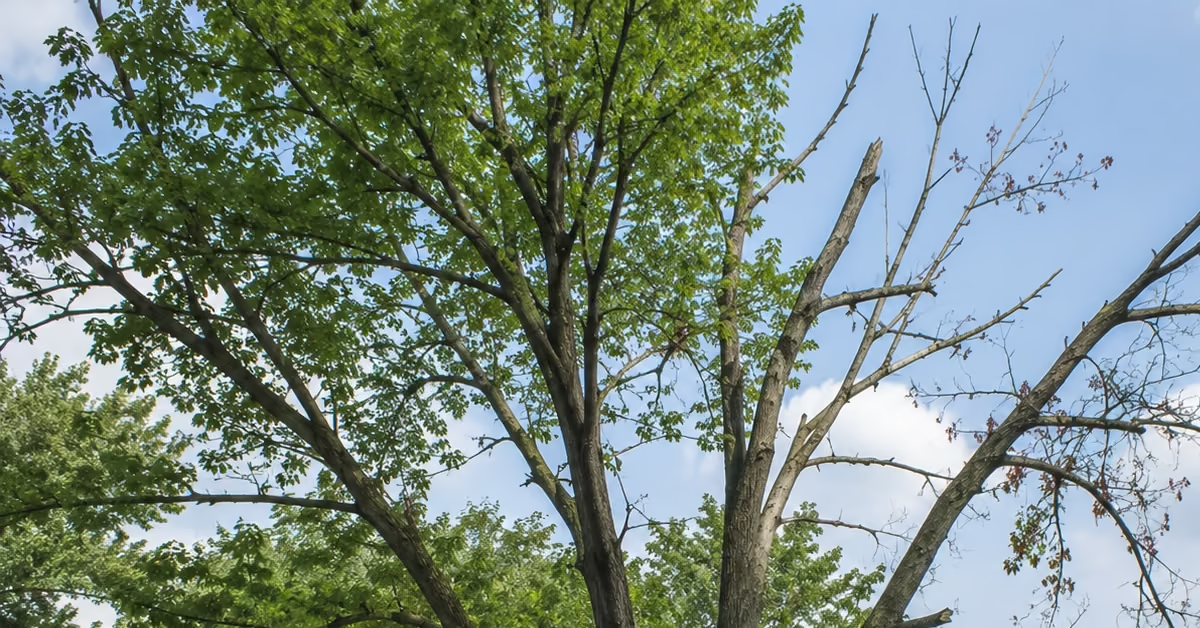
You Notice Dead, Broken, or Damaged Branches
Deadwood is one of the biggest warning signs that a tree needs attention. Dead branches become brittle and can break unexpectedly when exposed to wind, snow, or ice. Look for:
- Branches without leaves while the rest of the tree is green
- Hanging or partially broken limbs
- Dry, peeling bark
- Old storm damage that was never removed
These branches do not repair themselves. Over time, decay can spread and weaken the surrounding wood. Removing dead and damaged limbs helps reduce the chance of unexpected failures and allows the tree to focus energy on healthy growth.
The Canopy Is Too Dense and Blocks Light or Airflow
A thick canopy may look healthy, but too much growth can create problems. When branches become overcrowded, sunlight and airflow cannot reach the interior of the tree.
This can lead to:
- Weak interior branches
- Increased moisture retention
- Higher disease risk
- Poor overall tree structure
You may notice that very little sunlight reaches the ground beneath the tree or that the canopy looks like a solid wall of leaves. Selective thinning can improve airflow and allow more light into the tree without drastically changing its appearance.
Trees Are Blocking Driveways, Sidewalks, or Visibility
Sometimes your daily routine reveals the need for trimming. Low branches can interfere with sidewalks, vehicles, and normal use of your property.
Common clearance problems include:
- Branches brushing against vehicles
- Limbs blocking your view when leaving the driveway
- Branches covering house numbers or lighting
- Trees growing into walking path
These issues affect both safety and convenience. Raising the canopy and removing problem branches can make your property easier and safer to use.
Why Professional Tree Trimming Is Safer Than DIY
Small pruning jobs may be manageable for some homeowners, but larger tree trimming projects can quickly become dangerous. Heavy limbs, ladders, power tools, and nearby structures create risks that are easy to underestimate.
Professional tree crews have the equipment and experience needed to:
- Safely remove large branches
- Make proper pruning cuts
- Protect nearby structures
- Handle difficult tree conditions
- Clean up debris after the job
Incorrect trimming can also harm the tree by creating unnecessary wounds or encouraging weak regrowth. For mature trees around homes, professional pruning is usually the safest way to protect both your property and the tree.
Tree Trimming Checklist for Battle Creek Homeowners
Your trees may need professional trimming if you notice:
- Branches touching your roof or growing near utility lines
- A leaning or uneven canopy
- Rubbing or crossing branches
- Dead, broken, or hanging limbs
- Dense growth blocking sunlight and airflow
- Branches interfering with driveways, sidewalks, or visibility
If you notice several of these issues at once, scheduling a professional tree inspection is a smart next step. When your trees show signs of trouble, Brawner’s Tree Service helps make the process simple. We are a family-owned, locally operated company which serves Battle Creek, Calhoun County, Kalamazoo, Scotts, Portage, Augusta, Athens, Fulton, Union City and surrounding communities with decades of combined tree care experience.
Brawner’s Tree Service takes a customized approach to every tree, beginning with a thorough inspection to evaluate its health, structure, and potential risks before any work begins. Our skilled team uses precise pruning techniques that promote healthy growth while preserving the tree’s natural shape, followed by complete debris cleanup to leave your property neat and safe. We also provide expert maintenance recommendations to help homeowners and businesses keep their trees healthy, attractive, and well-maintained for years to come. Homeowners choose Brawner’s for honest recommendations, clear communication, competitive pricing, and free estimates. Our focus on safe work practices and thorough cleanup helps ensure your property looks great when the job is complete. Contact us today at (269) 371-5449 to Book Your Free Estimate!!
Frequently Asked Questions About Tree Trimming in Battle Creek, Michigan
How often should trees be trimmed in Battle Creek, Michigan?
Most residential trees benefit from regular inspections every few years, but the ideal trimming schedule depends on the tree species, age, health, and location. Trees near homes, driveways, or utility lines may need more frequent attention.
What time of year is best for tree trimming in Battle Creek, Michigan?
Late winter and early spring are often good times for many pruning projects because trees are typically dormant. However, damaged or hazardous branches should be addressed whenever they create a safety concern.
Can I trim large tree branches myself?
Small branches may be manageable, but large limbs require proper equipment and experience. Cutting heavy branches incorrectly can cause injury, property damage, or long-term tree problems.
How do I know if a branch is dangerous?
Branches that are dead, cracked, hanging, leaning heavily, or located above homes, vehicles, or walkways should be evaluated by a professional.
Does tree trimming help prevent storm damage?
Yes. Removing weak, dead, and poorly positioned branches can reduce the chances of limb failure during storms. Proper pruning also improves tree structure and resilience.
What is the difference between tree trimming and tree removal?
Tree trimming focuses on maintaining a healthy tree by removing specific branches. Tree removal is recommended when a tree is dead, severely damaged, diseased, or poses a significant safety risk.
Summary Checklist: Signs Your Battle Creek Tree Needs Professional Trimming
| Warning Sign | What It Could Mean | Why It Matters |
| Branches Touching Your Roof, Siding, or Utility Lines | Tree growth has reached unsafe areas around your property. | Can cause property damage, power issues, or safety concerns during storms. |
| Heavy, Leaning, or Uneven Canopy | Too much weight is concentrated on certain branches or one side of the tree. | Increases the risk of limb failure during strong winds, snow, or ice. |
| Rubbing, Crossing, or Crowded Branches | Branches are competing for space and creating weak points. | Can lead to bark damage, decay, and unstable branch connections. |
| Dead, Broken, or Hanging Limbs | The tree has damaged areas that may fail unexpectedly. | Deadwood can fall without warning and damage homes, vehicles, or walkways. |
| Dense Foliage with Poor Airflow | The canopy is overcrowded and blocking sunlight movement. | Can increase moisture buildup, disease risk, and weak interior growth. |
| Low Branches Blocking Driveways, Sidewalks, or Visibility | Trees are interfering with normal property use. | Creates clearance problems and reduces safety for vehicles and pedestrians. |
Quick Tip: If you notice multiple warning signs on the same tree, it is a good idea to schedule a professional evaluation before the next major storm. Early trimming can reduce hazards, improve tree health, and help prevent costly emergency work.
Final Advice
Recognizing the signs that your Battle Creek trees need a trim is one of the simplest ways to prevent future problems and protect your property. Branches growing too close to your home, dead or damaged limbs, crowded canopies, and poor clearance around driveways or walkways are not just cosmetic concerns, they can become safety risks when Michigan’s strong winds, heavy snow, and ice put extra stress on your trees.
A good practice for homeowners is to hire a licensed, insured and experienced tree service firm in Battle Creek, Michigan to inspect their trees at least twice a year, especially after major storms. Look for changes in branch structure, new deadwood, cracks, leaning growth, or areas where trees are beginning to interfere with your home and daily activities. Catching these issues early often allows for targeted trimming instead of emergency tree work after a failure occurs.