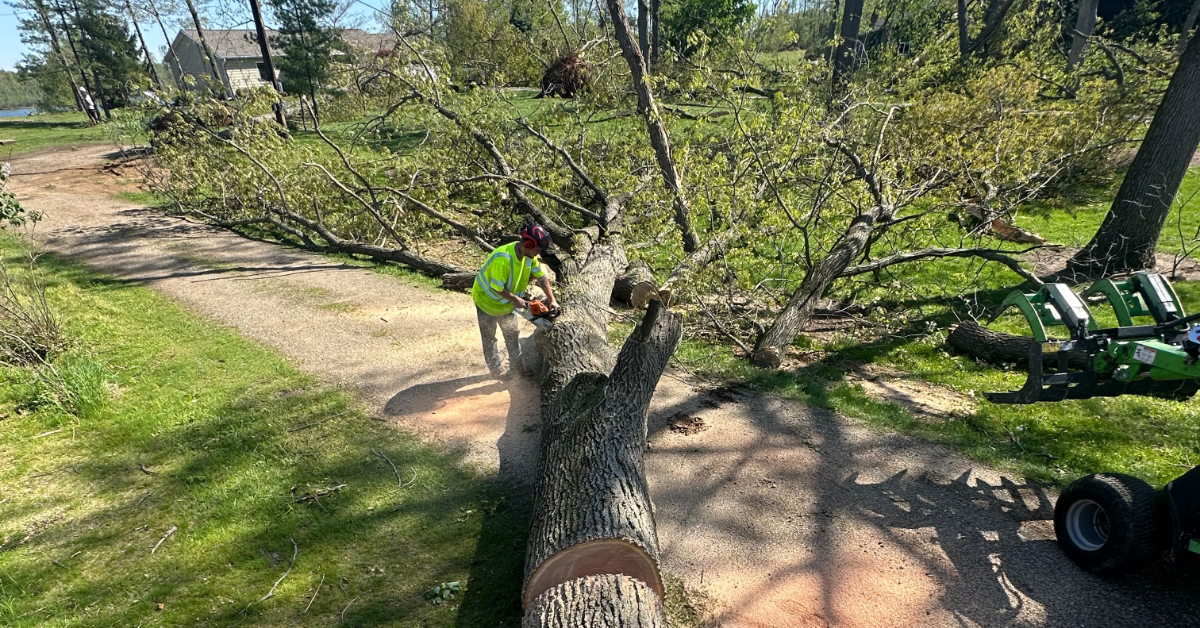
A dead standing tree poses a significant and often underestimated threat to your property and loved ones. Many homeowners wonder if a tree that appears lifeless but remains upright truly presents a danger. The answer is a resounding yes; these trees are ticking time bombs, silently deteriorating and waiting for the right conditions to fall.
Key Takeaways
- Dead standing trees are inherently dangerous due to structural instability, posing risks of property damage, personal injury, and legal liability.
- Identifying a dead tree involves looking for signs like absent foliage, brittle branches, missing bark, and fungal growth.
- The timeline for a dead tree to collapse varies, but they typically remain standing for two to five years after death, deteriorating continuously.
- Professional tree removal, like the services offered byBrawner’s Tree Service, is crucial for safety, ensuring proper equipment, expertise, and insurance coverage.
- Ignoring a dead tree can lead to costly repairs, pest infestations, fire hazards, and potential legal issues for property owners.
- Costs for removal depend on factors like size and location, making a professional assessment from Brawner’s Tree Service essential for an accurate quote.
What is a Dead Standing Tree?
A dead standing tree is exactly what it sounds like: a tree that has died but remains upright on its own. While it might appear stable, its internal structure is compromised, losing the vitality that once held it firm. This decaying process makes it incredibly unpredictable and dangerous.
- Loss of Life: The tree no longer transports water and nutrients, leading to cell death throughout its system.
- Structural Decay: Wood fibers weaken, become brittle, and lose their ability to withstand stress from wind, rain, or gravity.
- Root System Failure: The roots, crucial for anchoring the tree, also decay, reducing stability and increasing the risk of uprooting.
- Pest and Disease Haven: Dead wood attracts insects and fungi, which further accelerate decomposition and compromise the tree’s integrity. Wood decay Wikipedia.
Why Are Dead Standing Trees Dangerous?
Dead standing trees pose serious risks that can impact your property, safety, and even your finances. Understanding these dangers helps you make informed decisions about removal.
Property Damage Risk
One of the most immediate concerns with a dead standing tree is the potential for significant damage to your property. When these trees or their branches fall, they don’t discriminate.
- Home Structures: Falling trees can crush roofs, damage walls, or break windows, leading to expensive repairs.
- Vehicles: A sudden collapse can total cars, trucks, or RVs parked nearby.
- Outbuildings and Fences: Sheds, garages, and perimeter fences are also vulnerable to impacts.
- Utility Lines: Trees falling on power lines can cause outages, electrical fires, and create dangerous live wire situations.
Personal Safety Threats
The tree care industry has a fatality rate at least 15 times higher than the average across all sectors, with approximately 80 deaths occurring per year in tree-related occupations. This stark statistic underscores the grave personal safety hazards involved, not just for workers but for anyone near a compromised tree. Being struck by or against an object, like a falling tree or branch, accounts for 42% of tree care-related deaths.
- Injury or Death: Falling limbs or entire trees can cause severe, life-threatening injuries or even fatalities to people and pets.
- Unpredictable Collapse: Unlike healthy trees, dead trees can fall without warning, making them exceptionally dangerous during storms or even calm conditions.
- Broken Branches: Even small dead branches, known as ‘widowmakers,’ can detach and fall from significant heights, causing injury.
Pest Infestations and Disease Spread
Dead trees act as magnets for various pests and diseases. Once established, these issues can quickly spread to your healthy trees and even infiltrate your home.
- Insects: Bark beetles, termites, carpenter ants, and other wood-boring insects thrive in decaying wood. They can then migrate to healthy trees or cause structural damage to your house.
- Fungi: Various fungi and molds colonize dead trees, further accelerating decay and potentially spreading spores to other plants.
- Wildlife: While some wildlife might use dead trees for habitat, the primary concern is the spread of destructive insects to your property.
Increased Fire Hazard
Dry, decaying wood is highly flammable, turning a dead standing tree into a significant fire hazard.
- Fuel for Wildfires: In dry conditions, a dead tree can easily ignite from a lightning strike, stray spark, or even extreme heat.
- Rapid Spread: Once ablaze, the dry wood acts as fuel, allowing fires to spread quickly to other vegetation or nearby structures.
- Embers: Burning dead trees can release embers that travel long distances, starting new fires.
Legal and Liability Issues
Property owners face potential legal and financial repercussions if a dead tree on their land causes harm or damage. If you knew the tree was dead and didn’t act, you could be deemed negligent.
- Property Owner Responsibility: You are typically responsible for maintaining your property, including the trees on it. Neglecting a known hazard can lead to liability claims.
- Insurance Coverage: Many home insurance policies may not cover damage caused by a dead tree if it was known to be dead and not removed, classifying it as a preventable issue.
- Neighbor Disputes: Damage to a neighbor’s property from your dead tree can lead to costly legal battles and strained relationships.
Environmental Impact and Property Value
Beyond immediate dangers, dead trees negatively affect your property’s value and the local ecosystem.
- Reduced Curb Appeal: Dead trees are eyesores that detract from your property’s aesthetic and can lower its market value.
- Soil Instability: Decaying root systems can lead to soil erosion, especially on slopes, affecting landscaping and potentially nearby structures.
- Habitat Disruption: While some dead trees can provide habitat, uncontrolled falling can disrupt ecosystems and create hazards for local wildlife.
Identifying a Dead or Dying Tree
Recognizing the signs of a dead or dying tree early can prevent future problems. Don’t wait until a branch falls to take action.
- Lack of Leaves: A healthy tree should have leaves during its growing season. If a tree consistently fails to produce leaves, or only has a few withered ones, it’s a strong indicator of death.
- Brittle Branches: Test small branches by bending them. Live branches are flexible; dead ones will snap easily without much effort.
- Missing Bark: Bark protects a tree. When bark peels off in large sections, exposing the inner wood, it suggests the tree is dead or severely compromised.
- Fungal Growth: Mushrooms, conks, or other fungi growing on the trunk or at the base of the tree are signs of internal decay.
- Cracks and Cavities: Deep cracks in the trunk or large hollows indicate significant structural weakness.
- Pest Activity: Excessive insect holes, sawdust trails (frass), or visible carpenter ants can point to internal damage and decay.
Factors Influencing a Dead Tree’s Collapse Timeline
While dead trees typically remain standing for two to five years after death, this is a general guideline. Several factors can either accelerate or delay the eventual collapse, making precise predictions difficult.
Tree Species
The inherent characteristics of the tree itself play a big role in how quickly it deteriorates.
- Hardwoods vs. Softwoods: Hardwood trees (like oak) generally decay slower than softwoods (like pine), which can become brittle and fall faster.
- Disease Susceptibility: Some species are more prone to specific diseases that hasten decomposition once they die.
Environmental Conditions
The surrounding environment constantly works on a dead tree, influencing its stability.
- Wind Exposure: Trees in open, windy areas will likely fall faster than those in sheltered locations.
- Moisture Levels: Constant moisture can accelerate fungal growth and wood rot, while very dry conditions can make wood brittle and prone to cracking. USDA Tree Decay Guide
- Storm Frequency: Areas prone to severe thunderstorms, heavy snow, or ice storms will see dead trees collapse much sooner.
Prior Health and Damage
The tree’s condition before it died can impact its post-mortem stability.
- Existing Damage: A tree with pre-existing cracks, hollows, or root damage will be more unstable even in death.
- Cause of Death: A tree killed by a sudden disease might be structurally sounder initially than one that slowly withered due to root rot.
Tree Location
Where the tree stands matters for its stability.
- Soil Type: Trees in loose, sandy soil may lose root anchorage faster than those in dense, clay-rich soil.
- Proximity to Water: Trees near rivers or wetlands might experience increased root decay due to saturated soil.
DIY Removal vs. Professional Tree Service
When faced with a dead standing tree, homeowners often consider two options: attempting removal themselves or hiring professionals. Understanding the stark differences is crucial for safety and effectiveness.
| Aspect | DIY Tree Removal | Professional Tree Service |
| Safety Risks | Extremely high risk of injury, property damage, or fatality. Tree work is one of the most dangerous occupations. | Low risk due to trained, experienced crews, proper safety gear, and specialized equipment. Fatalities in tree care are often linked to a lack of training. Tree Care Industry Safety Stats |
| Equipment Needed | Chainsaw, ladder, ropes – often insufficient or improper for the job, increasing danger. | Specialized saws, cranes, lifts, rigging equipment, chippers, stump grinders, and safety gear, all maintained and operated by experts. |
| Expertise & Skill | Limited knowledge of tree physics, felling techniques, and safe limb removal, leading to unpredictable outcomes. | Deep understanding of tree biology, felling angles, weight distribution, and rigging for safe, controlled removal. Years of practical experience. |
| Insurance & Liability | No coverage for accidents, leaving the homeowner fully liable for injuries or property damage. | Fully insured with liability and workers’ compensation (at least $1 million recommended), protecting the homeowner from all liability. |
| Time & Effort | Can take days or weeks, often resulting in frustration, exhaustion, and unfinished work. | Efficiently completed in hours or a day, with quick, thorough cleanup, saving you time and hassle. |
| Cost Implications | Initial savings but high potential for costly property damage, medical bills, or legal fees in case of an accident. | Upfront cost, but provides peace of mind, avoids costly mistakes, and ensures a safe, professional job with guaranteed results. |
Steps Brawner’s Tree Service Takes for Safe Tree Removal
When Brawner’s Tree Service approaches a dead tree removal, we follow a systematic process designed for maximum safety and efficiency. Our method minimizes risk and ensures a clean, professional outcome.
- Initial Assessment: Our experts evaluate the tree’s size, condition, location, and surrounding hazards to formulate a safe removal plan.
- Site Preparation: We clear the work area, secure the perimeter, and protect any nearby structures or landscaping to prevent damage.
- Strategic Felling/Dismantling: Depending on the tree’s size and location, we either fell the tree in a controlled direction or carefully dismantle it section by section using advanced rigging techniques.
- Branch and Trunk Processing: Branches are chipped on-site, and larger trunk sections are cut into manageable pieces for hauling.
- Stump Grinding (Optional): If requested, we use specialized equipment to grind the stump below ground level, allowing for replanting or landscaping.
- Thorough Cleanup: Our crew meticulously cleans the entire work area, ensuring no debris is left behind, fulfilling our promise of exceptional service. You’ll hardly know we were there, except for the missing hazard. For a free estimate on your tree removal needs, visit Brawner’s Tree Service.
Frequently Asked Questions
Why are dead standing trees considered so dangerous?
Dead standing trees become brittle and unstable over time. Their root systems decay, losing their anchor in the soil. This makes them prone to sudden, unpredictable collapse or shedding large branches, especially during storms or high winds, posing serious threats.
How can I tell if a tree on my property is dead?
Look for several key signs: absence of leaves during growing seasons, brittle branches that snap easily, missing bark, fungal growth on the trunk, and visible cracks or cavities. If you see sawdust near the base, it could indicate pest activity.
How long does a dead tree usually remain standing before falling?
Dead trees typically remain standing for two to five years after death, but this varies greatly. Factors like tree species, size, local weather conditions, and the tree’s health before it died all influence how quickly it deteriorates and falls.
Can I be held liable if my dead tree causes damage?
Yes, property owners can be held liable for damage or injury caused by a dead tree on their land, especially if they were aware of its condition and didn’t act. Home insurance may also deny claims if negligence is proven.
Is it safe to remove a dead tree myself?
While small, easily accessible dead trees might seem like a DIY job, the risks are immense. The tree care industry has a high fatality rate. Professionals like Brawner’s Tree Service have the training, equipment, and insurance to perform the work safely.
Are there other dangers associated with dead trees besides falling?
Beyond property damage and personal injury, dead trees attract pests like bark beetles and termites, which can spread to healthy trees or even your home. They also become fire hazards and reduce your property’s overall appeal and value.
Protect Your Property from the Dangers of Dead Trees
Dead standing trees present real, significant dangers to your home, family, and property. Ignoring these risks isn’t an option; proactive removal protects your investment and ensures peace of mind. For expert assessment and safe, efficient removal, trust Brawner’s Tree Service. Our team handles every step, from initial evaluation to meticulous cleanup, with professionalism and care. Don’t wait for a problem to escalate. Contact us today to schedule a consultation and secure your property.