As a homeowner in Battle Creek, you’ve likely faced the common dilemma: does that tree need a trim, or is it time for it to go? Making the right call between tree removal and pruning is crucial for your property’s safety, aesthetics, and the health of your landscape. This guide will help you understand the factors involved, from local regulations to Michigan’s unique climate challenges.
Key Takeaways
- Pruning is a vital maintenance practice that enhances tree health, improves appearance, and prevents future hazards, often being more cost-effective than removal.
- Tree removal is a last resort, necessary for dead, severely diseased, structurally compromised, or invasive species trees that pose significant risks.
- Battle Creek homeowners must navigate local tree ordinances, particularly for public property trees, and be aware of Michigan’s climate impacts and common tree diseases like Oak Wilt.
- Costs for tree services vary widely by size and complexity; pruning typically ranges from $250-$500, while removal can range from $100 to over $1,800.
- Attempting DIY tree work is highly dangerous and can lead to injury, property damage, or legal issues; always rely on licensed and insured professionals.
- Brawner’s Tree Service brings over 45 years of combined experience, local expertise, and a commitment to safety and meticulous cleanup, making us Battle Creek’s premier choice for tree care.
What Are Tree Pruning and Tree Removal?
Tree pruning involves the selective removal of branches or roots from a tree. This practice aims to improve a tree’s health, enhance its structure, reduce risks, and maintain a desirable shape or size. Tree removal, on the other hand, means completely felling a tree to eliminate it from a property.
Understanding Tree Pruning
Tree pruning is a horticultural practice that involves the selective cutting away of certain parts of a tree. This isn’t just about making a tree look tidy; it’s a strategic process with several important goals.
- Health Improvement: Removing dead, diseased, or insect-infested branches prevents the spread of issues to healthier parts of the tree.
- Structural Enhancement: Corrective pruning can improve a tree’s overall structure, promoting stronger growth and reducing the likelihood of branch failure.
- Safety: Eliminating weak or overhanging branches significantly reduces the risk of them falling and causing damage or injury. For professional standards on these techniques, see the International Society of Arboriculture (ISA) guide to proper pruning.
- Aesthetics: Shaping a tree to enhance its natural form, improve views, or allow more sunlight to reach your yard.
- Fruit Production: For fruit-bearing trees, strategic pruning can encourage better yield and fruit quality.
Understanding Tree Removal
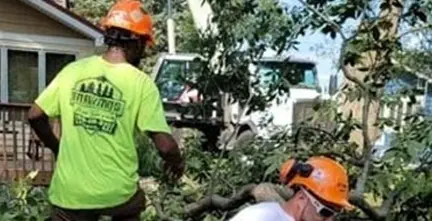
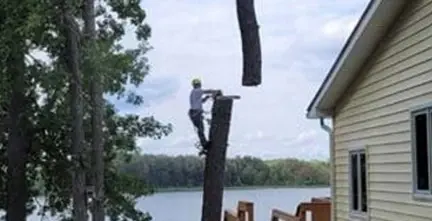
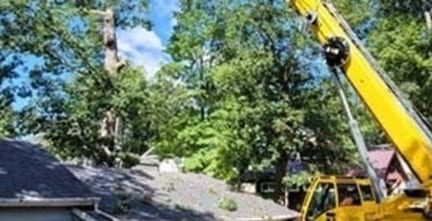
Tree removal is the process of completely taking down a tree. This is a more drastic measure than pruning and is typically reserved for situations where a tree poses a significant risk, is beyond saving, or is no longer desired on the property. It’s a complex and often dangerous task that requires specialized equipment and expertise.
- Hazard Mitigation: Removing trees that are dead, dying, or structurally unstable and pose a threat to people or property.
- Disease Control: Eliminating trees that are severely diseased and could spread pathogens to other healthy trees.
- Property Development: Clearing land for new construction, landscaping, or addressing root intrusion issues.
- Storm Damage: Taking down trees that have been severely damaged by storms and cannot be safely salvaged.
- Invasive Species Control: Removing species that are detrimental to the local ecosystem, as often regulated by local ordinances.
When to Prune Your Trees in Battle Creek
You should prune your trees in Battle Creek to maintain their health, improve their appearance, and prevent potential hazards. Regular pruning is a cornerstone of responsible tree care, ensuring your trees thrive for years.
Signs Your Tree Needs Pruning
Knowing when to prune often comes down to recognizing specific issues your tree might be facing. Don’t wait until problems escalate; early intervention saves money and preserves tree health.
- Dead or Dying Branches: These are easy to spot and should be removed to prevent decay and disease spread.
- Crossing or Rubbing Branches: When branches rub together, they create wounds that can become entry points for pests and diseases.
- Weak or V-Shaped Branch Unions: These are prone to splitting, especially during high winds or heavy snow. Pruning can reduce the load or remove the weaker limb.
- Overgrowth: Trees growing too close to your home, power lines, or blocking pathways need trimming for safety and clearance.
- Disease Symptoms: Look for discolored leaves, cankers, fungal growths, or unusual growths that may indicate a problem requiring targeted pruning.
Best Time for Pruning in Michigan
The best time for pruning depends on the tree species and the pruning goal. Generally, the late dormant season (late winter to early spring) is ideal for most trees. However, for specific concerns like Oak Wilt, timing is critical.
- Late Dormant Season (January-March): This is often the best time for structural pruning, as trees are leafless, making it easier to see the branch structure. Trees are also less susceptible to pests and diseases during this period.
- After Flowering: For spring-flowering trees (like dogwoods or crabapples), prune immediately after they finish blooming to avoid removing next year’s flower buds.
- Summer Pruning: Best for removing deadwood, water sprouts, or controlling size, but avoid heavy pruning as it can stress the tree.
- Avoid Pruning Oaks in Active Growing Season: Crucially, avoid pruning oak trees from April 15th through July 15th. This is when sap beetles, which spread deadly Oak Wilt, are most active. Pruning wounds attract these beetles, increasing infection risk. For specific dates and prevention tips, refer to the Michigan DNR guidelines on preventing oak wilt.
When Tree Removal Becomes Necessary
Tree removal becomes necessary when a tree poses an irreversible threat, is severely compromised, or is simply no longer viable for your property. While pruning aims to save a tree, removal is often the only safe or practical solution for specific problems.
Key Reasons for Tree Removal
Not all trees can, or should, be saved. Recognizing when a tree has reached its end or become a liability is key to protecting your property and family. Here are the primary reasons for removal.
- Tree is Dead or Dying: A dead or severely declining tree is a liability. It’s structurally weak and poses a significant risk of falling.
- Severe Disease or Pest Infestation: If a tree is infected with a deadly disease (like Dutch Elm Disease or advanced Oak Wilt) or overrun by destructive pests beyond recovery, removal prevents spread to healthy trees.
- Structural Defects: Major cracks in the trunk, significant rot, or a severely compromised root system make a tree unstable and dangerous.
- Storm Damage: Trees severely damaged by high winds, lightning, or heavy ice may be beyond repair and need to be removed for safety.
- Root System Compromise: Roots can invade sewer lines, lift foundations, or damage driveways. If mitigation isn’t possible, removal may be the only option.
- Interference with Construction or Utilities: Sometimes, a tree is simply in the way of planned construction or landscaping, or poses a risk to overhead power lines.
- Invasive Species: The City of Battle Creek prohibits certain invasive species, such as Tree of Heaven. Removing these helps protect native ecosystems.
Identifying Hazardous Trees
Identifying a hazardous tree early can prevent serious accidents. These trees often show clear warning signs, but they might not always be obvious to an untrained eye.
- Significant Lean: A tree that has developed a sudden or pronounced lean may indicate root failure or structural instability.
- Large Dead Branches: Large dead limbs, especially those overhanging structures or high-traffic areas, are prone to breaking off.
- Cracks in Trunk or Limbs: Vertical or horizontal cracks, particularly those extending deep into the wood, signal structural weakness.
- Cavities or Decay: Holes or soft, crumbling wood on the trunk or branches suggest internal decay that compromises the tree’s integrity.
- Mushrooms or Fungi at Base: Fungal growth on the trunk or around the base of the tree often indicates internal rot or root decay.
- Weak Branch Unions: Branches that are tightly joined with included bark (bark growing into the union) are structurally weaker and more likely to split.
- Heaving Soil Around Base: This can be a sign of root system failure, especially after strong winds or heavy rain.
Battle Creek’s Tree Regulations and Climate Impact
Battle Creek homeowners must understand the City’s tree ordinances and how Michigan’s unpredictable climate directly impacts tree health. These factors play a significant role in deciding between pruning and removal.
Key Local Regulations for Battle Creek Trees
The City of Battle Creek has specific rules governing trees, especially those on public property. Ignorance of these regulations can lead to fines or legal issues.
- Tree Ordinance (Chapter 1026): This ordinance regulates trees on public property, including curb lawns and street rights-of-way. You’ll need a permit for planting, maintenance, or removal of these trees. Removing a public tree without permission is prohibited.
- Prohibited Actions: The ordinance forbids activities like setting fires within 25 feet of public trees or allowing toxic chemicals to seep nearby, which can harm public trees.
- Landscape Requirements (Chapter 1285): This chapter prohibits planting invasive tree species listed by the Michigan Natural Features Inventory. Trees must also be free from harmful insects and diseases upon planting.
- Licensing for Tree Services: Any business (excluding the City, utilities, or property owners on their own land) performing tree cutting, removal, or trimming in Battle Creek must obtain a license from the City Clerk.
Michigan’s Changing Climate and Tree Health
Michigan’s climate, influenced by the Great Lakes, presents unique challenges for tree health. Understanding these factors helps explain why professional tree care from Brawner’s Tree Service is so important.
- Unpredictable Weather: Erratic temperature changes, heavy snow, ice in winter, and spring storms all stress trees.
- Rising Temperatures: Michigan’s average annual temperature increased over 2.4°F between 1895 and 2013, with winter temperatures rising even faster. This can lead to earlier bud break and increased pest activity.
- Increased Precipitation: Average annual precipitation has increased by 3.5 inches, with more frequent heavy rainfall. This can cause root damage and promote fungal growth.
- Pest and Disease Spread: Milder winters mean fewer insect die-offs, contributing to the spread of pests and diseases.
- Road Salt Runoff: A common issue in urban areas, road salt can cause drought stress and nutrient deficiencies in nearby trees. For more on localized climate data, visit the USDA Plant Hardiness Zone Map.
.
Common Tree Diseases and Invasive Species in Battle Creek
Homeowners in Battle Creek need to be vigilant about specific diseases and invasive species that can affect local trees. Early detection is often critical for treatment or safe removal.
- Oak Wilt: Deadly to oak trees, spread by beetles and root grafts. Avoid pruning oaks during the active growing season (April 15–July 15) to prevent attracting beetles. Detailed diagnostic information is available via the MSU Extension tree disease resources.
- Apple Scab: Weakens apple and crabapple trees, causing leaf spots and premature defoliation.
- Anthracnose: A fungal disease prevalent after cool, wet springs, causing leaf spots, cankers, and dieback on many hardwoods.
- Dutch Elm Disease: Historically devastated elm populations, causing rapid wilting and death.
- Needle Cast: Affects spruce trees, causing needles to turn brown and fall off prematurely.
- Cytospora Canker: Attacks weakened trees, causing cankers and branch dieback.
- Verticillium Wilt: A soil-borne fungus affecting hardwoods like maples and elms, leading to wilting and branch death.
- Black Knot: A fungal disease creating distinctive black, warty growths on fruit trees.
- Invasive Tree Species: The City ordinance prohibits species such as Tree of Heaven (which damages structures and inhibits the growth of other plants), Black Locust, Callery Pear, and Norway Maple (which can be susceptible to disease and damage outside its native range).
Cost Comparison: Pruning vs. Removal in Battle Creek
Understanding the financial aspect is crucial for Battle Creek homeowners. Generally, pruning is a preventative measure that costs less than removal, but both vary significantly based on the tree’s characteristics and the job’s complexity. Brawner’s Tree Service provides transparent pricing, ensuring you know what to expect.
| Service Type | What Impacts the Cost |
|---|---|
| Tree Trimming & Pruning | Tree size, species, access to canopy, pruning type (deadwood removal, crown thinning, reduction), and corrective work needed. |
| Small Tree Removal (Up to 30 ft) |
Tree height, location, proximity to structures, and basic equipment requirements. |
| Medium Tree Removal (30 to 60 ft) |
Tree size, removal complexity, hazards, site access, and debris handling. |
| Large Tree Removal (60 to 80 ft) |
Height, weight, heavy equipment usage, rigging complexity, and safety considerations. |
| Very Large Tree Removal (80+ ft) |
Extreme height, advanced rigging, high-risk environment, crane use, and extensive cleanup. |
| Emergency Tree Removal | Urgency, after-hours response, storm damage, obstacles (homes, power lines), and safety risk level. |
| Stump Grinding / Removal | Stump diameter, root spread, soil condition, site access, and debris removal. |
The Dangers of DIY Tree Work
Attempting DIY tree work, especially for larger trees or complex situations, carries significant risks that far outweigh any perceived cost savings. Professional tree work requires specialized knowledge, equipment, and safety protocols that most homeowners simply don’t possess.
- Serious Injury: Falls from ladders, cuts from chainsaws, or being struck by falling limbs are common and can be fatal.
- Property Damage: An uncontrolled tree fall can damage your home, garage, fences, or neighboring properties, leading to expensive repairs.
- Improper Cuts: Incorrect pruning techniques can severely wound a tree, making it susceptible to disease, pests, or structural failure.
- Lack of Insurance: If you or someone helping you gets injured, or if property is damaged, you’ll be solely responsible for medical bills and repair costs.
- Power Line Hazards: Working near power lines is extremely dangerous and should only be done by utility-qualified professionals or experienced arborists.
- Hidden Costs: Renting specialized equipment, disposal fees, and potential damage repair often negate any initial savings.
Why Choose Brawner’s Tree Service for Tree Care in Battle Creek?
Choosing the right tree service in Battle Creek is crucial for safety, property protection, and tree health. Brawner’s Tree Services stands out as the premier service provider, bringing unparalleled expertise and a commitment to customer satisfaction.
- Over 45 Years of Combined Experience: Our team at Brawner’s Tree Service has decades of hands-on experience, understanding the unique challenges of Battle Creek’s trees and climate.
- Licensed and Insured: We operate with full licensing and comprehensive insurance, protecting you and your property from any unforeseen issues.
- Safety First Approach: Tree work is inherently dangerous. We prioritize safety for our crew, your property, and your family with rigorous protocols and the right equipment.
- Meticulous Cleanup: Unlike some services, Brawner’s Tree Service ensures a thorough cleanup after every job, leaving your property tidy and free of debris.
- Local Expertise: We know Battle Creek’s specific tree ordinances, common diseases, and climate factors, providing advice tailored to your local needs.
- Comprehensive Services: From precise pruning to complex removals, stump grinding, and emergency services, we handle all your tree care needs.
- Customer-Focused Service: We listen to your concerns, provide clear communication, and offer transparent pricing with no hidden fees. Our goal is your complete satisfaction. For professional tree care you can trust, reach out to Brawner’s Tree Service today.
How Brawner’s Tree Service Protects Your Property and Peace of Mind
Brawner’s Tree Service doesn’t just cut trees; we provide peace of mind through a structured approach that emphasizes safety, efficiency, and respect for your property. Our process ensures that whether you need pruning or removal, the job is done right, every time.
- Thorough Assessment: Every job starts with a detailed evaluation of your tree’s condition, location, and potential risks, offering an honest recommendation.
- Strategic Planning: We develop a precise plan for pruning or removal, considering surrounding structures, landscaping, and safety zones.
- Advanced Equipment: Utilizing modern, well-maintained equipment, our team performs tasks efficiently and safely, minimizing impact on your yard.
- Skilled Execution: Our experienced arborists employ best practices for cuts, rigging, and felling, ensuring the tree’s health and safe removal.
- Ground Protection: We take measures to protect your lawn and landscaping, using mats or careful equipment placement as needed.
- Complete Cleanup: After the work, we meticulously remove all debris, leaving your property cleaner than we found it.
- Insurance Coverage: Our comprehensive insurance protects you from liability in the unlikely event of an accident, a critical factor for any homeowner. Learn more about our services and commitment to excellence by visiting Brawner’s Tree Service.
Frequently Asked Questions
What is the main difference between tree pruning and tree removal?
The main difference lies in the scope: pruning involves selective cutting to improve a tree’s health, structure, or appearance, while removal means felling the entire tree. Pruning is preventative and maintenance-focused, whereas removal is typically for dead, diseased, or hazardous trees that pose a significant risk.
How much does tree removal typically cost in Battle Creek, Michigan?
Tree removal costs in Battle Creek vary significantly based on size and complexity. Small trees (under 30 feet) might cost $100-$300, medium trees (30-60 feet) $300-$700, and large trees (60-80 feet) $700-$1,100. Very large or emergency removals can exceed $1,800. Brawner’s Tree Service provides clear, upfront estimates.
Do I need a permit to remove or prune a tree in Battle Creek?
Yes, for trees on public property, such as curb lawns or street rights-of-way, the City of Battle Creek’s Tree Ordinance (Chapter 1026) requires a permit for removal or major pruning. Always check with the City Clerk’s office before starting work on public trees.
What are some common tree diseases and invasive species found in Michigan?
Michigan trees face several common diseases, including Oak Wilt, Apple Scab, Anthracnose, Dutch Elm Disease, and Verticillium Wilt. Climate change also contributes to the spread of pests. Regular inspections by Brawner’s Tree Service can help identify and address these issues early.
Can I prune or remove trees myself, or should I hire a professional?
While minor pruning of small branches might seem manageable, complex tree work carries significant risks. Improper cuts can damage the tree, and working at heights with heavy equipment is dangerous. Professional arborists like Brawner’s Tree Service have the training, tools, and insurance to do the job safely and correctly.
How can I tell if a tree on my property is hazardous?
Signs of a hazardous tree include significant leaning, large cracks in the trunk or major limbs, extensive decay or rot, visible pest infestations, or weak branch unions. If you notice these, it’s vital to get a professional assessment from Brawner’s Tree Service immediately to prevent potential damage or injury.
What factors influence the cost of tree trimming and pruning services?
The cost of tree trimming depends on the tree’s size, species, accessibility, and the specific type of pruning needed (e.g., corrective, crown reduction, deadwooding). Larger, harder-to-reach trees with extensive work will naturally cost more. Brawner’s Tree Service offers transparent pricing based on a thorough site assessment.
Protect Your Property with Professional Tree Care in Battle Creek
Deciding whether to prune or remove a tree involves understanding its health, potential hazards, and Battle Creek’s specific regulations. Don’t leave such critical decisions to chance or inexperienced hands. For expert advice and reliable service, trust the seasoned professionals at Brawner’s. We bring over 45 years of combined experience to every job, ensuring your trees are cared for safely and effectively. Contact us today for a comprehensive assessment and a free estimate.