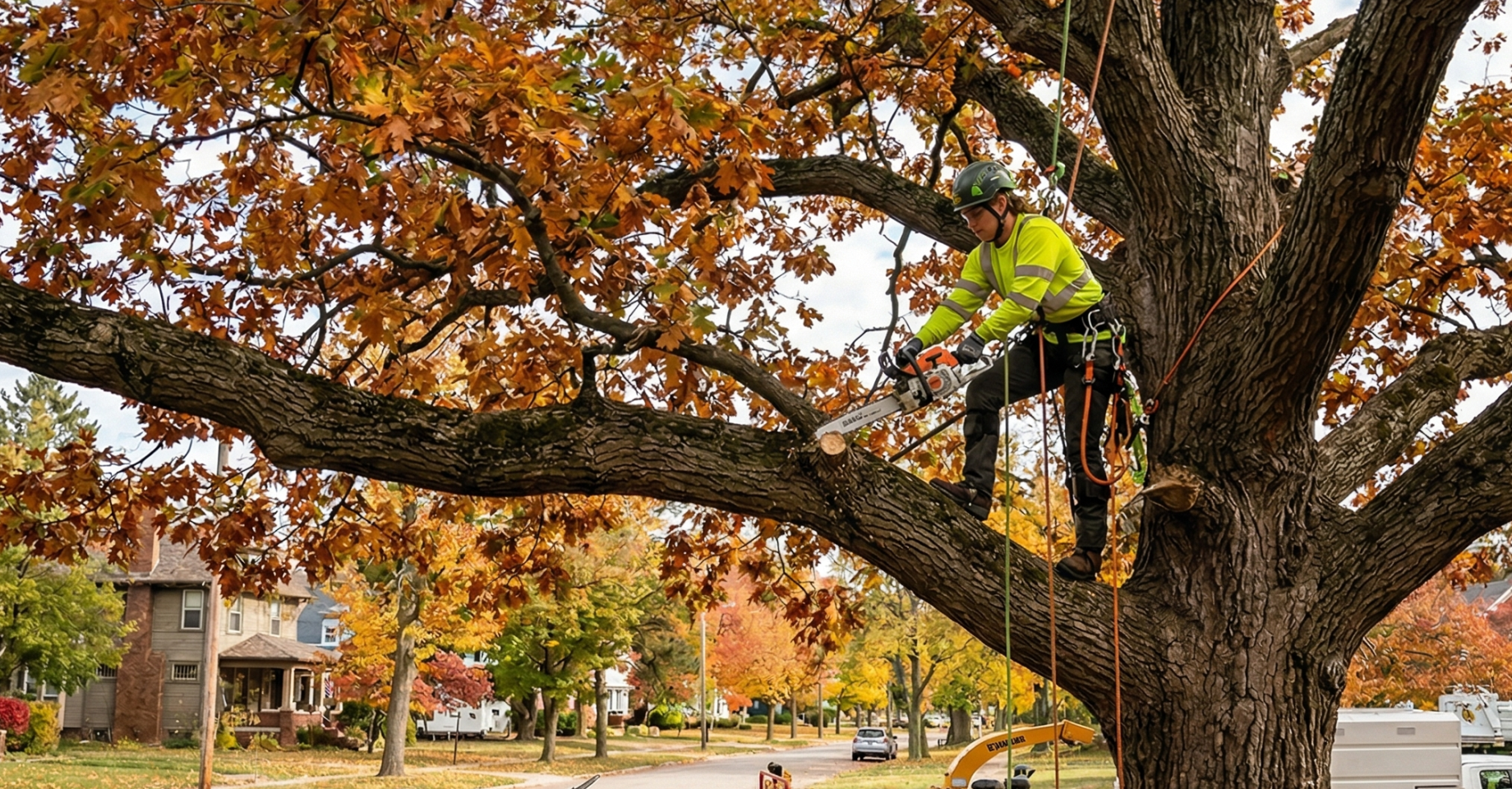
Tree trimming is essential to keeping your trees healthy, your property safe, and your landscape looking its best. In a climate like Battle Creek, Michigan, where weather patterns, tree species, and environmental stressors vary significantly, knowing how often to trim your trees can prevent costly damage and ensure your trees thrive for decades. Regular trimming helps shape young trees, prevent overgrowth, reduce the risk of falling limbs, and maintain the beauty and structural integrity of your green spaces.
This detailed guide from Brawner’s Tree Service walks you through how often to trim different types of trees, what factors affect pruning schedules, the best times of year to trim, and how to recognize when your tree needs immediate attention. With years of experience serving Battle Creek and the surrounding areas, we offer clear, actionable advice based on proven arborist practices and local knowledge.
The Importance of Regular Tree Trimming in Battle Creek
Routine tree trimming isn’t just about appearances. Strategic and timely pruning has several critical benefits. It promotes healthy tree growth, supports strong branch structure, and reduces the risk of damage during storms. When you neglect trimming for too long, branches can become too dense or heavy, making them more likely to break or fall.
On the flip side, over-trimming can be just as harmful. Removing too much foliage stresses the tree and may make it vulnerable to disease, pests, or sun damage. Finding the right frequency ensures that your trees stay healthy, balanced, and safe, especially in the ever-changing Michigan climate.
Tree species and environmental conditions vary, but the following guidelines offer a starting point for how often to trim trees in Battle Creek:
-
Mature Deciduous Trees: Typically need trimming every 3 to 5 years to maintain health and structural integrity.
-
Fast-Growing Varieties: Species like willow and silver maple benefit from trimming every 2 to 3 years to prevent overgrowth and weak limb formation.
-
Young Trees: Require formative pruning every 2 to 3 years to guide healthy growth and prevent long-term problems. MSU Extension emphasizes that “training” trees while they are small is the most cost-effective way to prevent structural failure later.
-
Light Maintenance: Removing small deadwood or sucker growth may be done annually.
-
2026 Safety Update: According to the Michigan DNR, any trimming of Oak trees must be completed before April 1 to avoid the high-risk Oak Wilt window.
-
Best Practices: Always follow the “25% Rule” established by the USDA Forest Service, which advises never removing more than one-quarter of a tree’s living crown in a single season to avoid permanent stress.
Regular inspections can help determine if more frequent care is necessary. In some cases, especially with storm-prone or high-traffic areas, you may need to trim more often.
Factors That Influence Tree Trimming Frequency
Tree Species
Different trees grow at different rates and have different structural needs. Battle Creek landscapes commonly feature silver maple, oak, birch, pine, spruce, and ornamental trees, each with its own care requirements. Fast-growing deciduous trees produce more branches and need more attention. Slow growers like oaks and beech trees typically hold their shape better and need less frequent pruning.
Tree Age
Younger trees often require formative pruning to establish a strong central leader and evenly spaced branches. This helps avoid problems later, such as co-dominant stems or poor branch angles. Mature trees, especially healthy ones, need only periodic maintenance. Older trees should be pruned carefully and less aggressively to avoid unnecessary stress.
Tree Health
A tree’s health directly influences how often it should be pruned. Diseased, infested, or storm-damaged trees may require more frequent interventions. Pruning away dead, diseased, or structurally unsound limbs helps stop the spread of issues and encourages healthier regrowth. If a tree is struggling, trimming may need to be part of a larger recovery plan.
Site Conditions
Environmental factors like sun exposure, soil quality, space constraints, and nearby structures also affect trimming needs. Trees planted near buildings, fences, driveways, or power lines require more routine inspections and trimming to avoid interference, safety hazards, or property damage. In dense neighborhoods or commercial zones in Battle Creek, more proactive maintenance is often necessary.
Quick Tip: Fast-growing trees like willows and poplars may need pruning every 2 years, while oaks and maples can often wait up to 5 years.
Best Seasons to Trim Trees in Battle Creek
Timing is just as important as frequency. Trimming at the wrong time can cause more harm than good. The best window for tree trimming in Battle Creek is typically:
- Late winter to early spring (February through April): Ideal for most tree types. Trees are dormant, which means less stress and faster recovery from pruning cuts. Visibility is better without leaves, allowing for more precise work.
- Immediately after flowering: For spring-blooming trees, wait until just after they bloom to avoid cutting off next year’s buds.
- Late fall (after leaf drop): Another safe period for trimming certain species, especially oaks, which are vulnerable to oak wilt if pruned during warmer months.
Avoid trimming during mid-to-late spring for oaks and other disease-sensitive trees. Also, try not to prune heavily in mid-summer, when the tree is actively growing and less resilient to cuts.
Trim Frequency by Tree Type
| Tree Type | Recommended Trim Frequency |
|---|---|
| Fast-growing deciduous trees (willow, poplar) | Every 2 to 3 years |
| Common shade trees (maple, ash, elm) | Every 3 to 5 years |
| Oaks and slow-growing hardwoods | Every 4 to 6 years |
| Evergreens (pine, spruce, fir) | As needed, typically every 5 or more years |
| Fruit and flowering trees (apple, crabapple, cherry) | Annually or based on bloom cycle |
Adjust these intervals based on your tree’s health, growth behavior, and environment. Consulting a professional arborist ensures your specific tree species gets the correct care.
Signs Your Trees Need Trimming
Not sure if your tree is due for trimming? Look for these indicators:
- Dead, hanging, or broken branches
- Crossing or rubbing limbs that damage bark
- Branches growing too close to your home, driveway, or power lines
- Leaning or imbalanced canopy shape
- Fungal growth, insect infestations, or cracks in the trunk
If any of these signs are visible, don’t wait for a scheduled trim. Contact a qualified arborist to evaluate the risk and take corrective action.
Tree Trimming Mistakes to Avoid
Improper trimming can seriously damage or even kill a tree. Avoid these common errors:
- Topping the tree: Removing the top portion leads to weak regrowth and decay.
- Excessive trimming: Never remove more than 25% of a tree’s canopy in one season.
- Wrong timing: Pruning during vulnerable growth stages increases disease and stress risk.
- DIY hazards: Trimming large or tall trees without proper equipment and training is dangerous.
- Unlicensed contractors: Always hire insured, trained professionals for safe and legal work.
How Brawner’s Tree Service Can Help
At Brawner’s Tree Service, we develop personalized trimming schedules based on tree species, age, health status, and location on your property. We use industry-best tools and techniques to ensure every cut supports healthy growth and reduces hazards. Our team is fully licensed and insured, and we are recognized as one of Battle Creek’s trusted tree care providers.
Whether you need one-time trimming, annual inspections, or a long-term maintenance plan, we provide professional, safe, and affordable services tailored to your needs. We also monitor local disease risks and seasonal changes to guide trimming schedules accordingly.
Sample Tree Maintenance Plan
Every tree is unique, but here’s a general trimming roadmap for long-term health:
- Years 0–5: Minor pruning to shape the tree and establish a strong structure. Remove low or poorly angled branches.
- Years 6–15: Structural trimming every 2 to 3 years to encourage a balanced canopy and eliminate weak limbs.
- Years 16–30: Maintenance trimming every 3 to 5 years, focusing on deadwood, thinning, and storm readiness.
- Years 30+: Trim only as needed. Emphasize safety, disease prevention, and weight balance. Limit heavy cuts.
Customizing this plan with the help of an arborist ensures your tree remains a healthy part of your property for generations.
Frequently Asked Questions About Tree Trimming in Battle Creek
How often should trees be trimmed?
Most mature trees in Battle Creek should be trimmed every 3 to 5 years, depending on their species, age, and health. Younger or fast-growing trees often need trimming every 2 to 3 years to maintain structure and prevent overgrowth.
What is the best time of year to trim trees?
Late winter through early spring is ideal. Trees are dormant, reducing stress and allowing pruning wounds to heal quickly before new growth starts.
Can I trim trees myself?
Light pruning on small trees is fine for homeowners, but trimming large trees or high branches requires professional skill, equipment, and safety training.
What if my tree is near power lines?
Never attempt to trim trees near power lines. Always call a licensed and insured company like Brawner’s Tree Service, equipped to handle hazardous or utility-adjacent work safely.
Do all trees need regular trimming?
Not all trees require frequent pruning, but routine inspections are essential. Dead, diseased, or unsafe limbs should be removed promptly to prevent property damage or injury.
Is it safe to trim trees in summer?
Only when necessary. Emergency trimming is fine year-round, but planned maintenance should be done during dormant seasons for best results.
Why is oak tree trimming restricted in spring?
Pruning oaks in spring increases the risk of oak wilt, a fatal fungal disease spread by insects. Wait until late fall or winter to prune safely.
Does trimming make trees grow faster?
Pruning doesn’t necessarily make trees grow faster, but it improves structure and health by directing energy toward strong, balanced branch development.
Contact Brawner’s for Tree Trimming in Battle Creek
If you’re uncertain about how often to trim your trees or need a professional evaluation, contact Brawner’s Tree Service. We provide tree trimming, inspections, risk assessments, and full tree care plans customized for the unique needs of Battle Creek homeowners. Let us help you protect your property and enhance your landscape with expert tree services. Call today to schedule your free consultation.